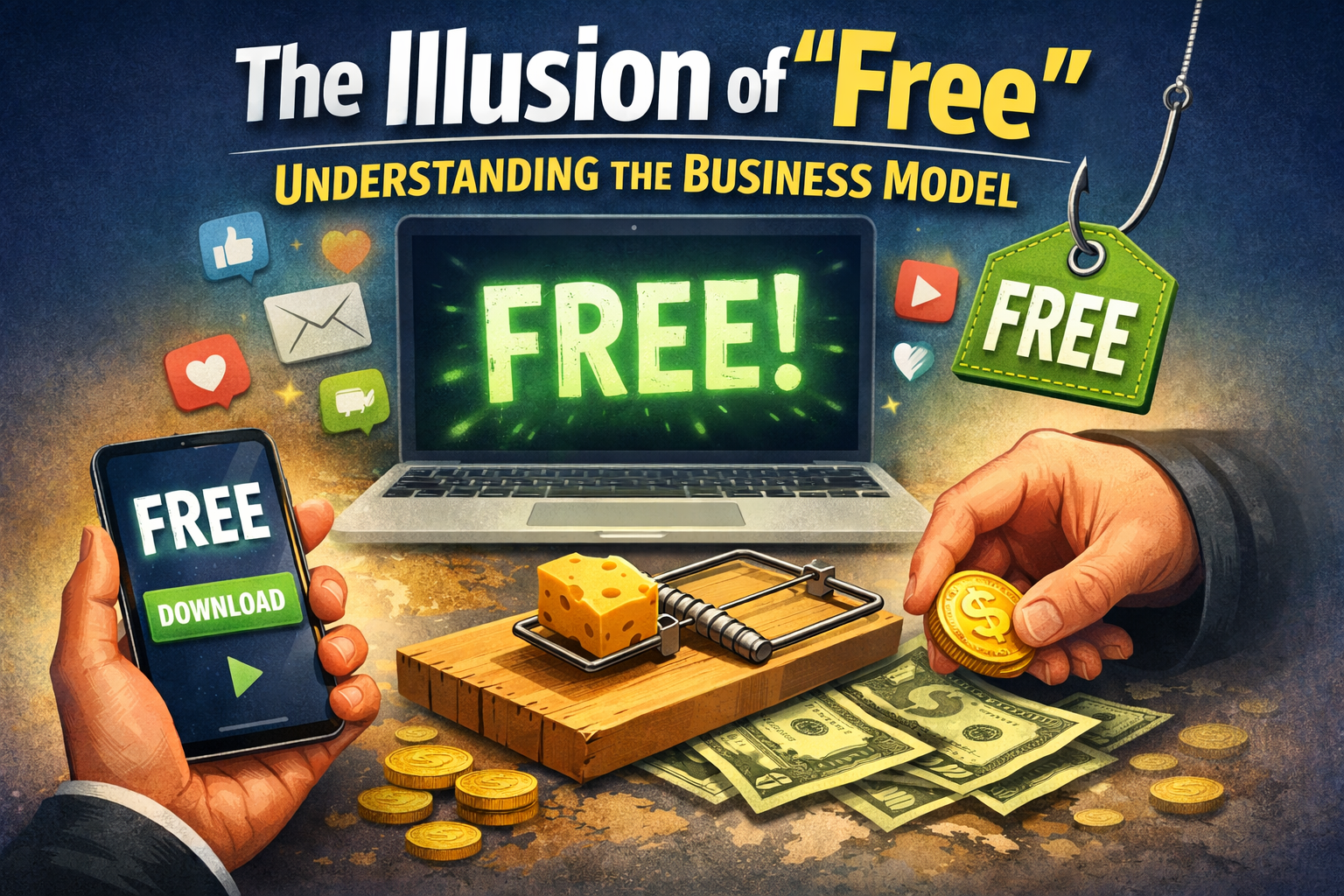
In the digital marketplace, few offers are as seductive—and as perilous—as the promise of “free.” For website owners, bloggers, and startup entrepreneurs, the siren song of “3000 words, no AI, no duplicate, SEO optimized, and non-plagiarized” content for zero monetary cost is incredibly compelling. It appears as a lifeline in a landscape where quality content creation is notoriously expensive and time-consuming. However, this “free” offer is rarely what it seems. Beneath the surface lies a complex web of hidden costs—operational, reputational, legal, and strategic—that can cripple a website’s potential and derail a business’s online ambitions. This analysis delves deep into the multifaceted true price of this seemingly generous proposition.The Hidden High Cost of “Free
The Illusion of “Free”: Understanding the Business Model
First, one must dismantle the illusion. Content creation requires human labor, expertise, and time. No sustainable business provides 3000 words of researched, original, and strategically optimized text without expecting compensation. The “free” model, therefore, must be subsidized elsewhere, and these subsidies dictate the nature and quality of the output. Common models include:
- The Content Mill/Article Spinning Factory: The provider uses ultra-low-cost writers (often paid pennies per word) working under crushing deadlines. “No AI” might be technically true, but the human output is so rushed and formulaic it lacks insight, voice, and value. “No duplicate” may mean it passes a basic Copyscape check against verbatim copying, but it is likely “rephrased” or “spun” from existing source material, resulting in semantic duplication Google’s algorithms can detect.
- The Bait-and-Switch or Upsell Trap: The “free” 3000 words is a loss leader. The delivered content will be subpar, but the “optimization” will be minimal (keyword stuffing, awkward meta descriptions). The provider then aggressively markets expensive “premium” editing, ongoing SEO packages, or site management services to “fix” the inadequate free product.
- The Attribution/Backlink Scheme: The hidden cost is a mandatory, often followed, dofollow backlink to the provider’s site (or a client’s site) embedded within your content. You trade your site’s authority and link equity for text. If the provider’s site is low-quality or penalized, this can directly harm your own site’s SEO standing.
- The Data Harvesting Play: Your request for free content provides valuable data: your niche, your target keywords, your content gaps, and your contact information. This data is sold or used for targeted marketing. You are not the customer; you are the product.
Understanding these models is key to anticipating the cascade of hidden costs that follow.
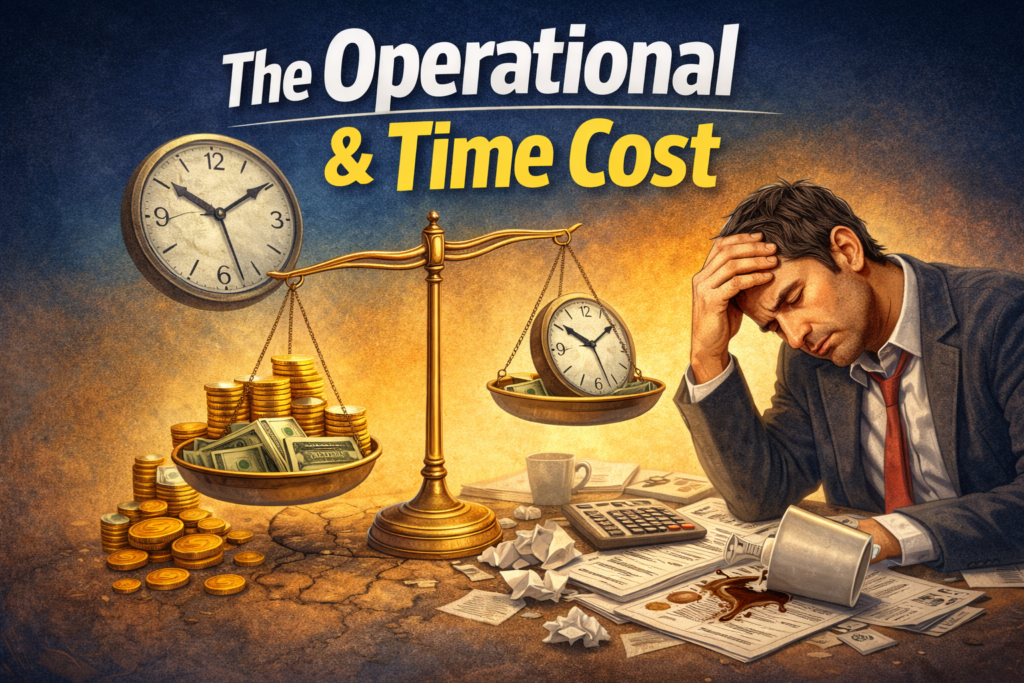
The Operational & Time Cost: The “Free” Labor Sinkhole
The moment you engage with a free content offer, you incur immediate, non-monetary expenses.
- The Briefing Burden: To get anything usable, you must invest significant time crafting a detailed brief—brand voice, target audience, keyword focus, structural guidelines, competitor references. This is uncompensated work that often exceeds the time needed to brief a trusted, paid professional.
- The Quality Review Quagmire: The delivered 3000 words must be scrutinized. This is not light editing; it’s often a complete overhaul. Checking for factual accuracy, logical flow, tone consistency, and true SEO optimization (beyond mere keyword density) is a massive undertaking. A senior editor or business owner might spend 5-8 hours dissecting and planning revisions for a single piece of low-quality free content.
- The Revision Cycle Hell: Communicating required changes to a free provider is fraught. Priorities are low, communication is slow, and the writer may lack the skill to execute your feedback effectively. You can enter an endless loop of revisions, each consuming more of your time than if you had written the article yourself.
- Opportunity Cost: The hours spent managing, reviewing, and revising free content are hours not spent on business development, strategy, marketing, or creating truly high-quality content in-house. This is the most significant hidden cost: the diversion of precious focus from core value-adding activities.
The Quality & Brand Cost: Eroding Trust from Within
Content is not just words on a page; it is the primary vehicle for your brand’s voice, authority, and relationship with your audience. Free content systematically undermines this foundation.
- Generic Voice and Lack of Authority: Free content is assembly-line content. It lacks unique insight, original research, or a compelling narrative. It sounds like every other article in your niche. This fails to establish thought leadership, making your brand forgettable. In a sea of similar information, why would a reader trust, remember, or return to your site?
- Poor User Experience (UX): Content created for algorithms over humans is painful to read. Awkward phrasing, unnatural keyword insertion, thin substance, and poor structure increase bounce rates and reduce time-on-page. Google’s Core Web Vitals and broader UX signals interpret this as a low-quality page, hurting rankings. You pay with your user engagement metrics.
- Inconsistent Messaging: A piece of free content will inevitably clash with your carefully cultivated brand voice and content strategy. It introduces tonal dissonance, confusing your audience about who you are and what you stand for. Rebuilding consistent brand perception after publishing off-brand material requires significant effort.
- Surface-Level “Optimization”: True SEO in 2024 is about E-E-A-T (Experience, Expertise, Authoritativeness, Trustworthiness). It’s about comprehensive topic coverage, user intent satisfaction, and technical excellence. Free content offers the hollow shell of SEO—keyword placement, a meta tag—but none of the substantive depth, expert credibility, or strategic structure that Google’s algorithms increasingly reward. It’s optimized for 2010, not for today.
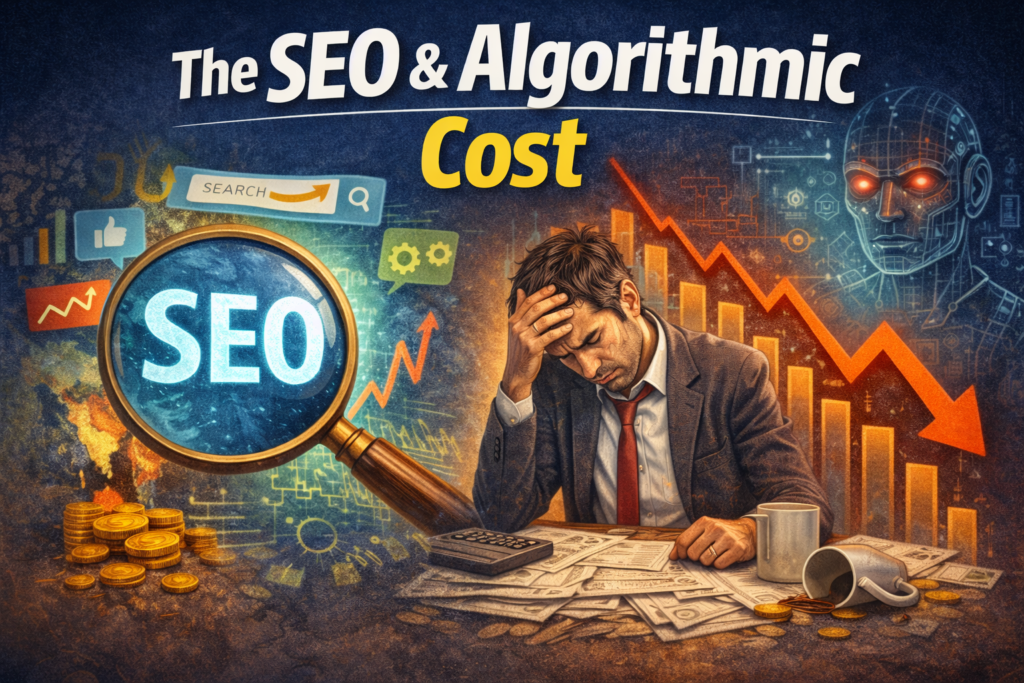
The SEO & Algorithmic Cost: The Danger of Invisible Penalties
This is where the hidden costs can become catastrophic for your online visibility. Search engines, particularly Google, have grown sophisticated in identifying and demoting low-value content.
- Semantic Duplication and “Topic Cannibalization”: Even if text isn’t plagiarized, covering the same surface-level points as hundreds of other websites in the same generic way creates semantic duplication. Google may see your content as non-original, failing to rank it. Worse, if its topic overlaps poorly with your other pages, it can cause internal competition (“cannibalization”), confusing Google about which page to rank for a given query.
- The “Link Neighborhood” Risk: If the free content includes mandatory backlinks, you lose control over your site’s link profile. Linking out to low-authority or irrelevant sites is a negative ranking signal. If the provider engages in link schemes, your site could be associated with them, risking manual penalties or algorithmic distrust.
- Thin Content and Panda Vulnerability: Google’s Panda algorithm specifically targets “thin” content—pages with little substantive value. A 3000-word article that says nothing new, provides no unique angle, and fails to satisfy user intent is the very definition of thin content, regardless of its word count. It risks dragging down the perceived quality of your entire site.
- Wasted Crawl Budget: For larger sites, search engines allocate a limited “crawl budget” — the number of pages they’ll index in a given period. Filling your site with low-quality, free content pages wastes this budget on pages that will never rank, preventing crawlers from finding and indexing your truly valuable, original pages.
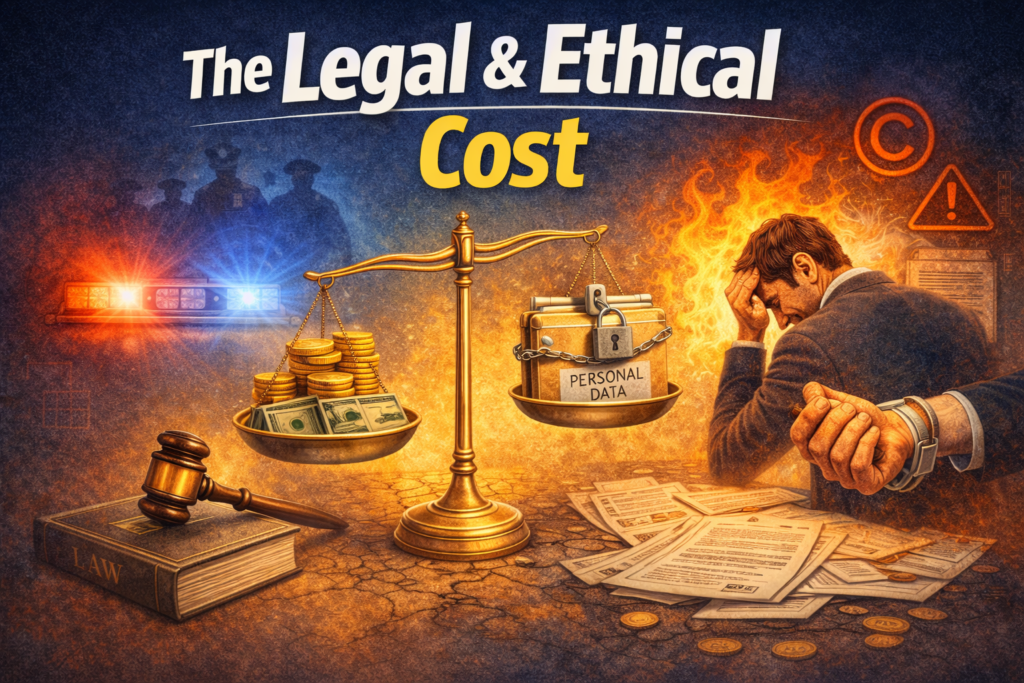
The Legal & Ethical Cost: Playing with Fire
The promises of “non-plag” and “no duplicate” are often the most fragile shields.
- Plagiarism Detection Limitations: Providers run text through basic software like Copyscape. However, paraphrasing plagiarism—rewriting ideas without citation—is rarely caught. If the “writer” heavily leans on a single source, even with reworded sentences, you are publishing derived content without attribution, which is ethically dubious and can still trigger copyright concerns.
- Factual Inaccuracy and Liability: Free content mills do not invest in fact-checking. Publishing inaccurate information, especially in YMYL (Your Money Your Life) niches like health, finance, or legal advice, can expose your business to reputational damage and even legal liability. The cost of a lawsuit dwarfs any “savings” from free content.
- Copyright Ambiguity: Who owns the copyright to free content? The terms are often murky. You may not have full, exclusive rights to the work, preventing you from adapting it, repurposing it, or even proving ownership if a dispute arises.
The Strategic Opportunity Cost: Stunting Your Growth
Ultimately, the deepest cost is to your long-term strategic position.
- Failure to Build a Real Asset: A website built on a foundation of generic, outsourced content is not a durable asset. It has no unique value proposition. It cannot command loyalty, email signups, or premium advertising rates. You own a hollow shell, vulnerable to any competitor who invests in genuine expertise and audience connection.
- Inability to Monetize Effectively: Audiences engaged by shallow content are not primed for conversions. They won’t trust your product recommendations, sign up for your webinars, or purchase your services. Your content fails to move them through the marketing funnel, resulting in poor ROI on all your other marketing efforts.
- Missing the Point of Content Marketing: True content marketing aims to build trust, demonstrate expertise, and solve problems for a specific audience. Free content is a transactional attempt to “game” search engines. This fundamental misalignment ensures the strategy will never yield meaningful business results.
The Alternative: Embracing the “Cost” as Strategic Investment
The solution is not to seek cheaper content, but to reframe the expense. Quality content is not a cost; it is a capital investment in your brand’s digital infrastructure.
- Invest in Expertise: Pay a professional writer or a reputable agency with niche expertise. The higher per-word fee is offset by zero revision time, brand-aligned quality, and strategic insight. You are paying for their research time, their writing skill, and their intellectual capital.
- Leverage Internal Knowledge: The best, most original content comes from within. Encourage subject-matter experts in your company to contribute. Use tools to help them articulate their knowledge (interviews, transcription, ghostwriting based on their input). This is the ultimate source of E-E-A-T.
- Prioritize Depth Over Breadth: One phenomenal, deeply-researched, and user-centric 1500-word “cornerstone” article is worth fifty 3000-word free articles. It will attract qualified links, earn sustained traffic, and genuinely help your audience.
- Understand Modern SEO: Shift focus from keyword counts to topic clusters, user intent, and comprehensive content that answers not just a question, but every related question a searcher might have. This is a strategic undertaking, not a mechanical optimization.
Conclusion: The Expensive Mirage
The offer of “3000 words, no AI, no duplicate, SEO optimized” for free is a modern-day digital mirage. It promises an oasis of savings and growth but leads to a desert of wasted time, damaged reputation, SEO penalties, and strategic stagnation. The hidden costs—measured in lost hours, eroded trust, algorithmic demotion, and missed opportunities—routinely exceed the price of commissioning professional, strategic content from the outset.
In the economy of attention and authority, there are no shortcuts. Quality content, which informs, engages, and builds trust, requires investment. It demands expertise, time, and strategic thought. To build a digital presence that is resilient, respected, and ultimately profitable, one must look past the seductive price tag of “free” and willingly invest in the true value of original, expert, and human-centric content. The choice is clear: pay a fair price for a valuable asset upfront, or pay a devastating, hidden price long after the “free” content has been published and its damage has been done.